Farmhouse Puzzle Goat: Embroidery Design Review
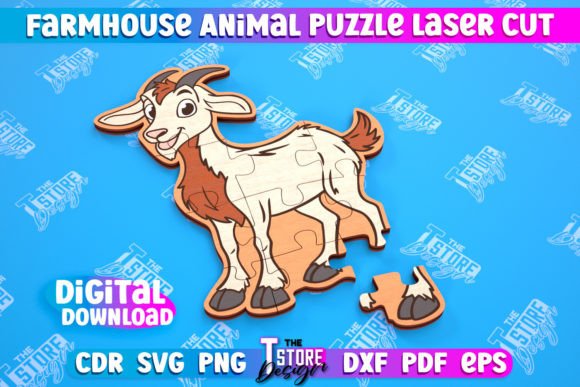
There’s a certain thrill when you find a design file that doesn’t quite know what it wants to be yet. The Farmhouse Puzzle Goat Shape Puzzle CNC arrived in my downloads folder labeled under Puzzles and Laser Cutting. Most embroidery designers would scroll past. I didn’t. I saw a goat silhouette, a charming puzzle-piece border, and a farmhouse aesthetic that screams handmade market appeal. This isn’t just a review of a file; it’s a road map for turning a vector puzzle into a stitched, sellable, finished product. Let’s break down how this design performs when it leaves the laser bed and hits the embroidery hoop.
First Impressions of the Farmhouse Puzzle Goat
The design immediately evokes a rustic, pastoral feel. The goat is central, proud, and detailed enough to be recognizable but simple enough to stitch cleanly. The puzzle-piece border is the star here. It transforms a simple animal silhouette into a baby game or farmhouse puzzle. This duality makes it incredibly versatile. It can be a decorative element on a custom apron for a goat cheese maker, or a playful patch on a toddler’s backpack. The mood is wholesome, earthy, and thoughtfully handmade. For an embroidery project, this file offers a strong foundation that feels both trendy and timeless.
Translating Laser Cut Lines to Embroidery Stitches
This is where the review gets technical. The file specifies RED line - CUT and BLACK line - ENGRAVE. In embroidery, we think in terms of satin stitch, fill stitch, and running stitch. The RED outline becomes a perfect candidate for a satin stitch border or an applique design fabric cut line. The BLACK engrave lines translate beautifully into a dense fill stitch or a textured tatami stitch for the goat’s body. You are essentially digitizing a vector file, which gives you immense control over the final stitched look. Don’t just run it through auto-digitize; manual intervention will make this machine embroidery design shine. If you are comfortable editing digital embroidery file parameters, this is a great canvas.
Real-World Test: The Embroidered Tote Bag
Let me paint you a picture. A client wants a limited run of tote bag designs for their farm stand. They sell goat milk soap. The Farmhouse Puzzle Goat Shape Puzzle CNC is perfect. I digitize the goat using a medium-weight fill stitch, and the puzzle border using a dense satin stitch. I use a tan thread for the goat and a dark brown for the border to mimic wood. The result is a stunning, tactile tote bag design that feels like a boutique item. Customers don’t just buy a tote; they buy into the farmhouse puzzle aesthetic. The bags sell out. This is the power of rethinking a Laser Cutting file for custom apparel and accessories. The handmade product feels deliberate, playful, and professional.
Performance Across Different Embroidery Projects
This design performs exceptionally well on stable, mid-weight fabrics. Here is where it fits best:
- Custom Apparel: Canvas aprons, denim jackets, and cotton sweatshirts. The puzzle shape makes a bold statement.
- Baby Embroidery: Onesies, bibs, and soft blankets. The puzzle theme encourages interaction and feels safe.
- Home Decor: Linen pillow covers, tea towels, and wall art. The farmhouse mood fits perfectly.
- Embroidered Patch: Stitched onto felt or twill, then cut out along the puzzle lines. These patches are huge hits at craft fairs.
- Personalized Gifts: Perfect for a baby shower gift or a holiday embroidery project for an animal lover.
The finished product always looks like a premium, boutique item. It builds customer trust and brand consistency for any craft business or Etsy seller.
Where This Design Shines (and Where to Be Careful)
No design is perfect for every situation. Here is my honest assessment of where the Farmhouse Puzzle Goat Shape Puzzle CNC needs careful handling:
- Small Hoop Sizes: The puzzle piece border has tight corners and curves. In a 4x4 hoop, these details can become muddled or cause stitch density issues. Scale it carefully or use it in a larger hoop.
- Fabric Texture: Works best on stable fabrics. Stretchy or thin fabric needs heavy stabilizer to prevent puckering.
- Stitch Density: Converting the solid engrave area to a fill stitch can result in high density. This increases sewing time and can distort fabric. Test on scrap fabric first.
- Dark Fabric: The goat silhouette needs good contrast. Light thread on dark fabric is essential for clarity.
- Curved Surfaces: Using it on caps or curved garments might cause the puzzle edges to distort. Cut-away stabilizer is your friend here.
Practical Designer Notes for Success
Before you add this to your production line, here are my non-negotiable steps for any embroidery project using this file:
- Test on Scrap Fabric: Always run a test stitch on the exact fabric you plan to use. Check the thread colors and stitch density.
- Check Hoop Size: Confirm the design fits within your hoop size without distortion. Scale proportionally if needed.
- Inspect Small Details: The goat’s ear and the puzzle tabs are small. Adjust satin stitch angles to ensure they stitch out cleanly.
- Use Proper Stabilizer: For most projects, a medium-weight cut-away stabilizer is best. For dense fill stitches, use a heavier stabilizer.
- Test in Mockups: Create printable mockups in black and white to see the contrast and visual balance before stitching.
- Confirm Licensing: The original description is sparse. Ensure you have the right to use the design assets for commercial embroidery and selling finished products.
- Review Thread Colors: The design works beautifully with earthy tones. Use a single color for the goat and a contrasting one for the border to emphasize the puzzle shape.
Final Verdict for Creatives and Business Owners
The Farmhouse Puzzle Goat Shape Puzzle CNC is a fantastic example of cross-category design thinking. It’s a Laser Cutting file that, with a bit of digitizing savvy, becomes a standout machine embroidery design. It offers high visual appeal, strong brand recognition potential, and excellent giftability. It’s not a simple click-and-stitch file for beginners, but for experienced embroidery designers and small business owners, it’s a goldmine. It creates a handmade product that feels deliberate, playful, and professional. That’s the kind of design asset that builds customer trust and sells itself. Whether you are an Etsy seller looking for a unique applique design or a creative entrepreneur building a craft business, this goat puzzle is worth the hoop time.