Game on: Video Game Crafts for Modern Blog Design
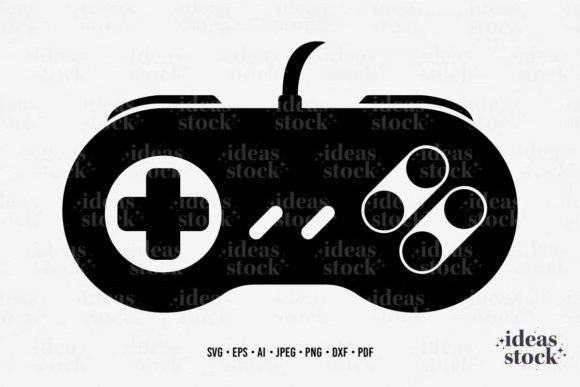
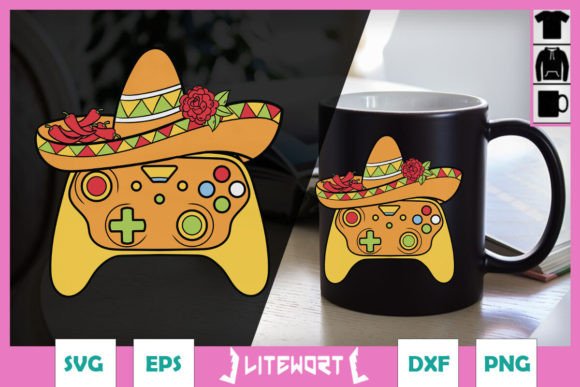
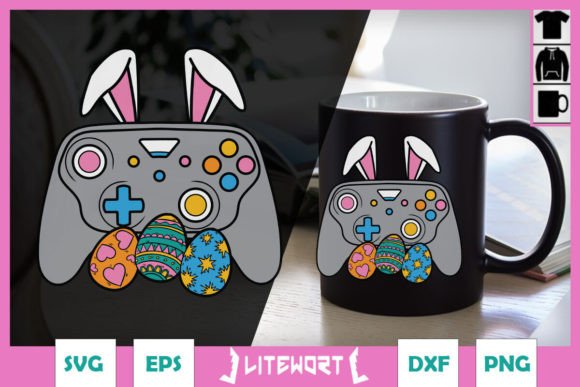
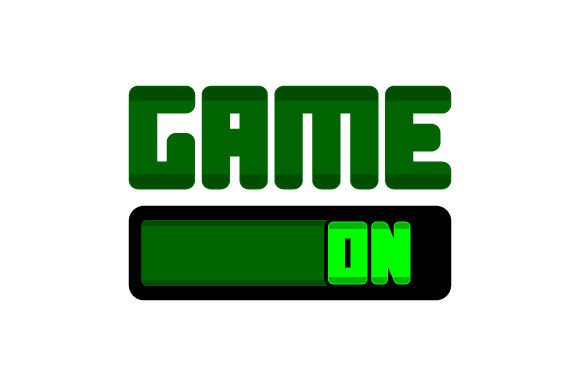
When I first opened the Game on graphic design asset, I immediately recognized its potential for content creators who need bold, playful visuals without sacrificing editorial polish. This is not a generic gaming graphic. It carries a specific energy: confident, slightly retro, unapologetically fun, yet clean enough to sit comfortably inside a professional blog layout. The design strikes a balance between modern design and nostalgic appeal, which makes it unusually versatile for a digital product rooted in the Video Games and Crafts categories. As someone who builds content websites and reviews design assets for real publishing use, I can tell you that Game on solves a specific problem: how to make gaming-related content look intentional, branded, and trustworthy rather than amateur or throwaway.
First Impressions and Editorial Mood
The moment I previewed Game on inside a mock blog layout, I noticed how it shifted the visual tone. It feels bold and playful without tipping into childish. The design has a clean, modern structure that works well for lifestyle content, educational guides, and even affiliate marketing pages about video games, tech accessories, or creative hobbies. The editorial mood is energetic and approachable, which is exactly what you want when you are trying to hold a reader's attention in a crowded feed or search result. This asset does not whisper. It signals that your content is about entertainment, passion, or interactive media, and it does so in a way that feels curated rather than chaotic.
For publishers who work across multiple platforms, the visual hierarchy built into Game on is a real advantage. The design elements are arranged so that the eye moves naturally from the focal point outward, which is critical for blog graphics, Pinterest pins, and social media graphics where you have only a split second to communicate value. I tested it beside several font styles, including a serif font, a sans serif font, a script font, a handwritten font, and a display font. The asset held its own across all of them, though it paired most naturally with bold sans serif and display styles. The contrast remained strong, and the design did not overpower headline text, which is a common failure with busy creative design assets.
How Game On Supports Content Performance
In my experience, the difference between a content page that converts and one that gets scrolled past often comes down to the first visual impression. Game on helps create a stronger first impression because it feels like a deliberate editorial choice, not a default template. When readers see a polished website header or article thumbnail built around this asset, they are more likely to perceive the content as valuable and professionally produced. That perception directly supports reader trust and click-through potential, especially in niches like gaming, tech, education, and creative entrepreneurship.
I also found that Game on strengthens brand identity for sites that publish regularly about video games, digital tools, or craft-related content. Because the design is distinctive but not overly niche, it can serve as a consistent visual anchor across blog featured images, Pinterest pins, newsletter banners, and category thumbnails. That kind of consistent branding is hard to achieve with free stock graphics or scattered assets. Using a unified graphic design asset like this one across your content library creates better category recognition and a more professional-looking content ecosystem.
For affiliate marketing content, Game on adds a layer of visual credibility. When you are recommending products or services, the design helps your page feel like a resource rather than a ad. I tested it inside a mock affiliate blog post about gaming accessories, and the asset elevated the entire layout. It made the visual hierarchy clearer, guiding the reader from the headline to the call-to-action without distraction. That is exactly what you want from a commercial design asset intended for monetized websites.
Where Game On Works Best in a Publishing Workflow
After experimenting with Game on across several real-world publishing scenarios, I identified the placements where it delivers the most impact. It excels as a hero image for blog posts about game reviews, tutorials, digital art, or creative hobbies. It also performs exceptionally well as a Pinterest pin background, especially when you overlay bold typography and a clear call-to-action. The design's natural contrast and clean composition make it ideal for article headers, website banners, and editorial layouts where you want the graphic to support the text without competing.
I also found it highly effective for digital guides and lead magnets. If you are creating a downloadable PDF about gaming strategies, crafts projects, or video game history, Game on works beautifully as a cover design or section divider. The same applies to eBook covers, printable designs, and media kits for small business owners or creative entrepreneurs who operate in the gaming or hobby space. The asset is also a strong choice for Canva templates and social media posts where you need to produce consistent, eye-catching visuals quickly.
For newsletter graphics and digital ads, Game on provides enough visual interest to stop the scroll without overwhelming the message. I tested it inside a mock email header and a Facebook ad mockup, and the design translated well at both sizes. The SVG File, Transparent PNG, EPS, and DXF formats give you flexibility to adapt it for print, web, or social without losing quality. The transparent PNG is especially useful for layering over background colors or images in your content management system.
Where to Use Game On Carefully
No design asset is universal, and Game on has specific contexts where it should be used with intention. I would recommend caution when placing it in small mobile thumbnails or text-heavy blog images. The design's boldness can become visually dense at very small sizes, so test it at 300 pixels wide or less before committing. If your layout uses a low-contrast background or a busy layout with multiple competing elements, Game on may add visual noise rather than clarity. In those cases, consider using it as an accent rather than the primary visual.
For serious professional niches like corporate consulting, legal content, or financial services, this asset is likely too playful. It belongs in spaces where energy, creativity, and approachability are assets. Similarly, if your website follows a very minimal visual system with muted tones and sparse graphics, Game on may feel out of place unless you adapt it carefully. The design thrives in contexts that embrace color, movement, and personality.
Practical Publisher Notes Before You Deploy
Before you use Game on in a live project, I recommend a few practical checks. First, test it on both desktop and mobile screens to ensure the design scales well. Preview it inside a real blog layout with your actual headline text to confirm contrast and readability. Try it in black and white to see if the composition holds up without color cues. Pair it with a serif font, a sans serif font, a script font, a handwritten font, and a display font to find the best typography match for your brand.
Check the file size for web performance. The SVG File format is lightweight and scalable, but if you are using the Transparent PNG or EPS version, compress images properly to avoid slowing down your page load times. I also recommend confirming the commercial license before using Game on on monetized websites, affiliate pages, or paid content products. Most creative marketplace assets include a standard commercial license, but it is always wise to verify so you can publish with confidence.
Finally, think about how Game on fits into your broader small business branding or content marketing strategy. If you are a digital publisher, online educator, or affiliate marketer who creates content around video games, crafts, or creative hobbies, this asset can become a reliable visual tool in your library. It works well for downloadable resources, category visuals, newsletter headers, and social media previews. The key is to use it intentionally, test it thoroughly, and let it support your content rather than dominate it.
Game on is a graphic design asset that understands its purpose. It is not trying to be everything to everyone. It is a focused, well-executed piece of editorial design that can elevate your web design, blog graphics, and social media presence if you place it in the right context. For publishers who need a modern design that bridges the gap between fun and professional, it is a solid addition to your toolkit.