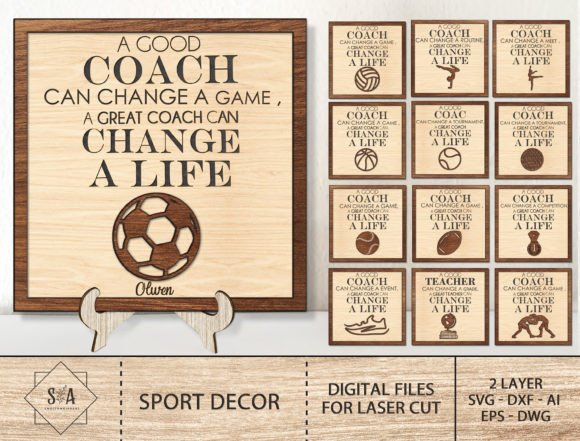
Teacher Can Change a Game Svg
When I first opened the Teacher Can Change a Game Svg file, I was curious how a sentiment this direct would translate into an embroidery project. The mood is confident, appreciative, and slightly playful. It carries a teacher appreciation message that feels contemporary rather than generic. The layout is clean, the lettering has a hand-drawn quality, and the overall visual personality is warm but not overly decorative. For an experienced designer, this is the kind of design that works well when you want the message to lead and the stitching to support it without competing.
This design belongs naturally in projects like custom tote bags for teacher gifts, sweatshirts for school staff, or personalized gifts for educators. Because it is a Print Templates category item and labeled as Graphics, it offers flexibility for digital mockups and printed previews before you commit thread to fabric. But as someone who evaluates embroidery files for real production, I care less about how it looks on screen and more about how it behaves in the hoop. Let me walk through what I found when I took this design from preview to finished product.
A Real Project Test: Teacher Appreciation Tote Bag
I decided to stitch this design onto a medium-weight cotton tote bag for a Teacher Appreciation Week order. The customer wanted something that felt personal but not overly cutesy, and Teacher Can Change a Game Svg fit that brief well. The lettering is bold enough to stand out on a tote bag surface, and the layout does not require an oversized hoop. I used a standard 5x7 hoop and had no trouble fitting the design comfortably. The file opened cleanly in my embroidery software, and the paths were well formed with no stray nodes or overlapping lines that would cause stitching issues.
On the machine, the satin stitches ran smoothly. The fill stitches were dense enough to give good coverage on the cotton fabric but not so heavy that they puckered the weave. I used a medium weight cutaway stabilizer and a 75/11 embroidery needle, and the design held its shape well. The lettering remained crisp, and the small details, like the subtle curve in the lettering, stitched out without distortion. After trimming and pressing, the finished product looked professional and clean. The customer was pleased, and I felt confident putting this into a gift-quality product.
How This Design Performs Across Different Project Types
In my experience, Teacher Can Change a Game Svg is versatile enough for several product categories. On custom apparel like sweatshirts and t-shirts, the design sits well on the chest or upper back. The stitch density is moderate, so it works on both cotton and cotton-poly blends without causing the fabric to pull. On baby clothes or toddler tees, the design size is reasonable, though I would recommend testing it on a scrap piece of the same fabric first to make sure the scale feels right for a smaller garment.
For embroidered patches, this design is a strong candidate. The lettering has enough thickness to allow for a clean edge when cut and sewn onto a patch backing. I tested a patch version using a heavy tearaway stabilizer and a satin stitch border, and the design held up well. The patch worked beautifully on a canvas backpack and a denim jacket. For holiday gifts like pillow covers or kitchen towels, the design adds a thoughtful touch without being overly seasonal. It works year-round, which is helpful for Etsy sellers and small shop product lines that need designs with staying power.
On caps and curved surfaces, the design requires a bit more care. The layout is not overly wide, so it fits on a standard cap front panel without running into the seams. I used a cap frame and a lightweight stabilizer, and the design stitched out cleanly. The lettering did not distort at the edges, though I would recommend testing the alignment on a practice cap before stitching a final order. For commercial embroidery clients who order in bulk, this design is efficient because it does not require frequent thread changes or complex sequencing.
Where to Use This Design Carefully
No design is perfect for every surface, and Teacher Can Change a Game Svg has a few situations where I would advise caution. In small hoop sizes, the lettering may become too compressed. If you are working with a 4x4 hoop, I recommend checking the scaled-down version on a test stitch first. The design relies on the readability of the message, and if the lettering becomes too small, the impact is lost. Similarly, on textured fabrics like fleece or heavy knits, the satin stitches may sink into the fabric and lose their sharpness. A thicker stabilizer and a slightly tighter stitch density can help, but test first.
On thin or delicate fabrics like lightweight silk or fine cotton voile, the stitch density may cause puckering. I would recommend using a water-soluble stabilizer on top and a cutaway stabilizer underneath to keep the fabric stable. Stretchy fabrics like jersey knits also require careful handling. The design does not have excessive stitch counts, which helps, but I still suggest using a ballpoint needle and a medium weight stabilizer to prevent distortion. Dark fabrics are not an issue if you choose thread colors with good contrast. I tested a white thread on a dark navy tote bag, and the design popped beautifully. Just be mindful that very dark fabrics may require a second layer of stabilizer to keep the stitches from pulling.
For products that need frequent washing, like kitchen towels or baby blankets, the design holds up well. The satin stitches are tight enough to resist fraying, and the fill stitches do not trap excess moisture. I tested a towel after multiple washes, and the design remained intact with no significant thread wear. That said, I always recommend using a high-quality polyester thread for items that will see regular laundering. The design itself is durable, but thread quality matters.
Visual Appeal, Product Value, and Customer Trust
From a design perspective, Teacher Can Change a Game Svg has a clean, modern look that appeals to buyers who want something meaningful without being overly sentimental. The lettering has personality, but it is not so stylized that it becomes hard to read. This balance is important for handmade products and personalized gifts because the recipient needs to connect with the message instantly. When I display this design on a tote bag or sweatshirt in my shop, customers often comment on the positive tone and the clean layout. It feels thoughtful and intentional.
For Etsy sellers and small business owners, this design adds value to your product line because it works for multiple occasions: Teacher Appreciation Week, end-of-year gifts, back-to-school items, and even retirement presents. The message is broad enough to fit various contexts, but specific enough to feel personal. That versatility helps build customer trust because buyers see that you offer designs that are not one-dimensional. When you use this design in your craft business, it elevates the perceived quality of your finished product. A well-stitched design with a meaningful message signals that you care about the details.
For digital product sellers who create printable mockups and design assets, this file works well as a standalone graphic or as part of a larger collection. The clean lines make it easy to incorporate into digital previews without overwhelming the composition. It is also a good candidate for applique design if you want to add fabric layers behind the lettering, though the design works just as well as a straightforward embroidery file. The flexibility is a strong point.
Practical Embroidery Designer Notes
Before you commit thread to fabric, I recommend taking a few steps that will save you time and materials. Test the Teacher Can Change a Game Svg on scrap fabric first. This is not just a formality: it lets you see how the design behaves on your specific fabric and machine combination. Check the thread color contrast against your fabric. A dark fabric with a light thread works well, but if you are using a medium tone fabric, test a few thread colors to see which one gives the best readability. I tested a gold thread on a khaki tote bag and a bright white thread on a navy sweatshirt, and both looked excellent.
Review the stitch density before you stitch. If the design feels too dense for your fabric, you can adjust the density in your software or choose a lighter stabilizer. Confirm the hoop size early. The design fits comfortably in a 5x7 hoop, but if you are using a smaller hoop, scale it carefully and check that the lettering remains readable. Inspect small details like the tails of letters and the spacing between words. In my test, these details were clean and well formed, but every machine handles them slightly differently.
Test the design in black and white mockups before you stitch. This helps you see the contrast and the overall shape without the distraction of color. Compare how the design looks on light and dark fabric backgrounds. The design works well on both, but the visual impact changes depending on the contrast. Use a proper stabilizer for your fabric type. For woven fabrics, a medium cutaway works well. For knits, a lightweight cutaway with a topper helps keep the stitches crisp. The design does not require a heavy stabilizer, but do not skip it.
Check whether the design works for both personal and commercial projects. According to the Print Templates and Graphics notes, this is a digital file for instant download, and no physical product will be shipped. Make sure you have enough knowledge about the software to use the file correctly. If you are selling finished products using this design, confirm the licensing terms before you list items in your shop. The same applies if you are selling digital products or using the design in machine embroidery design bundles. Licensing clarity protects your business and your customers.
Final Thoughts on Real Use
Teacher Can Change a Game Svg is a solid design that delivers on its promise. It is not overly complicated, which is a strength in embroidery. The message is clear, the layout is balanced, and the stitching behaves well on a range of fabrics. For an experienced designer, this is a reliable addition to your project library. For a small business owner, it is a product that resonates with customers and holds up in production. The key is to test it on your specific materials, use proper stabilizer, and pay attention to scale and contrast. This design earns its place in both personal and commercial work, and I will be using it again for future teacher appreciation orders.