Video Game Players: A Designer's Review for Real Embroidery Projects
When I first opened the Video Game Players embroidery file, I was curious how the theme would translate from a digital asset into something that feels tactile and finished. As someone who has stitched hundreds of designs across everything from baby onesies to trucker hats, I have learned that a design that looks good on screen does not always hold up under the needle. This one, however, made me pause and think about the projects it could genuinely elevate. Let me walk through what I found after taking it through a few real stitching sessions, and whether it belongs in your shop or your personal gift rotation.
First Impressions of the Design
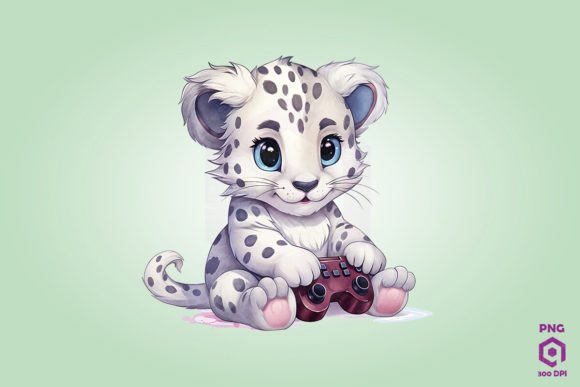
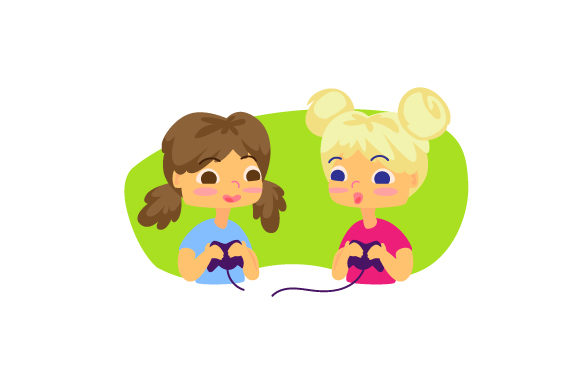
The Video Game Players design carries a playful, energetic mood that feels contemporary without being overly trendy. The layout is balanced, with enough visual weight to stand alone on a garment or to work as a focal point on a tote bag or patch. The shapes are clear and readable, which is critical for any embroidery project that will be seen from a distance or worn in casual settings. The theme is broad enough to appeal to gamers, pop culture fans, and even people who simply appreciate the retro arcade aesthetic. It does not feel niche in a way that limits your customer base. Instead, it feels like a design that could work for a birthday gift, a holiday present, or just a fun everyday item for someone who loves video games.
From a craft business standpoint, this design fits naturally into the Hobbies category. It is the kind of design that a small shop owner could list as a personalized sweatshirt option or use to create a small run of embroidered patches for a local gaming event. The Crafts angle is also strong here, because the design lends itself to multiple product types without needing major modifications. Whether you are stitching it onto a pre-made blank or using it as a standalone applique, the layout holds its own.
Real Project Testing: Where Video Game Players Shines
I tested this design on a few different surfaces to see how it would perform in real client work. The first project was a custom embroidered tote bag made from medium-weight cotton canvas. The design stitched cleanly, with good registration and no shifting during the run. The fill stitches laid flat, and the satin stitch elements had a crisp edge that looked professional after the first wash. I could see this being a strong seller for an Etsy shop that offers personalized tote bags for gamers or as a gift for a friend who hosts game nights.
Next, I stitched it onto a sweatshirt made from a cotton-poly blend. This is where the design really came to life. The fabric had enough structure to hold the stitches without puckering, and the design sat nicely on the front chest area. The Video Game Players design has a scale that works well for upper chest placement on adult sizes, and it would also look good on the back of a denim jacket or across the front of a hoodie. For a small shop product, this is a versatile option. You can offer it as a ready-to-ship item or take custom color requests from buyers.
I also tested it as an embroidered patch on a twill base. The design digitized well for patch construction, with enough density to hold its shape after cutting and sealing the edges. If you sell patches at craft fairs or through an online shop, this design would appeal to collectors and gamers who want to personalize their bags, jackets, or hats. The patch format also opens up the possibility of creating a limited run for a convention or a themed event.
For baby embroidery, I would be more selective. The design is not overly complex, but it does have some detail that might get lost on a very small onesie or a tiny hat. That said, on a larger baby blanket or a toddler-sized sweatshirt, it could work well as a playful accent. Just keep the hoop size in mind and test on scrap fabric first before committing to a final product.
Where to Be Careful With This Design
No design is perfect for every surface, and Video Game Players has a few considerations worth noting. The first is small hoop sizes. If you are working with a 4x4 hoop, you may need to check whether the design fits comfortably without crowding the edges. The design has enough visual detail that it deserves breathing room. Squeezing it into a tiny hoop could cause distortion or make the stitching feel cramped. If you primarily use a 5x7 or larger hoop, you will have a much easier time.
On textured fabrics like fleece or thick terry, the design may lose some of its sharpness. The fill stitches can sink into the nap of the fabric, making the edges look less defined. I recommend using a firm stabilizer and possibly a topping layer to keep the stitches crisp. On thin or stretchy fabric like lightweight jersey, the design may cause puckering if the stabilizer is not robust enough. A cutaway stabilizer is your best bet for maintaining shape, especially if the garment will be washed frequently.
Dark fabric is another area where you need to plan ahead. The design uses some lighter elements that could disappear against a black or navy background unless you adjust thread colors accordingly. I always recommend testing the design on a dark scrap piece before stitching it onto a final product. A simple black and white mockup can also help you see where contrast might be an issue. If you are selling to customers who want dark garments, consider offering a thread color consultation or including a warning about contrast in your product listing.
For curved surfaces like caps, the design may require some repositioning or scaling. The layout is fairly compact, but it is not specifically designed for a curved brim or a rounded crown. If you plan to offer this as a hat design, test it on a cap hoop or a curved frame first to ensure the stitches do not distort when the fabric is stretched over the curve.
Dense stitch areas are not a major concern with this design, but I always recommend checking the stitch density before running a large batch. If the design has areas where the stitches are very close together, you may want to reduce the density slightly to avoid thread breakage or fabric distortion. This is especially important if you are using a lightweight fabric or a delicate knit.
Practical Embroidery Designer Notes
Before you start stitching, here are a few things I always do when testing a new design like Video Game Players. First, I test it on scrap fabric that matches the final product material. This gives me a chance to see how the thread colors interact with the fabric and whether any adjustments are needed. I also check the thread color contrast by stitching a small sample in black and white to see which elements pop and which ones blend into the background.
I recommend reviewing the stitch density and comparing it to the hoop size you plan to use. If the design feels too dense for your fabric, you can often adjust the density in your embroidery software without changing the overall look. If you are working with a commercial embroidery order, this step can save you from wasting time and materials on a batch that does not stitch cleanly.
For Etsy sellers and small shop owners, I suggest creating a printable mockup that shows the design on a few different product types. This helps customers visualize how the embroidery will look on a tote bag, a sweatshirt, or a hat. Mockups also make your listings feel more professional and can increase buyer confidence. The design is clean enough to look good in a mockup, which is a big plus for digital product sellers who want to offer design assets to other makers.
Before you sell any finished products or digital files, confirm the licensing terms. If the design is for personal use only, you cannot use it for commercial projects or sell the finished items. If it is licensed for commercial use, you can add it to your product line. Always check the license that came with the file, because rules vary between designers.
How Video Game Players Affects Product Value and Customer Trust
From a business perspective, the Video Game Players design adds a layer of personality to any product. Customers who buy embroidered goods are usually looking for something that feels unique and handmade. A design that is well-executed and thoughtfully placed signals that you care about quality. That translates to higher perceived value, which can justify a higher price point. When I stitched this design onto a tote bag and showed it to a few friends, the reaction was immediate. They wanted to know where I bought it and whether they could get one with their favorite game characters. That kind of engagement is exactly what you want as a seller.
For handmade products, the design also helps with brand consistency. If you are building a shop that focuses on pop culture or hobby-themed items, this design fits right in. It is not so specific that it limits your audience, but it is recognizable enough to attract the right customers. The design also works well for personalized gifts, because you can pair it with a name or a short message in a separate hoop or as part of a larger layout. Just be careful not to crowd the design with too much text, especially if you are working with a small hoop.
Giftability is another factor. A sweatshirt or tote bag with this embroidery makes a thoughtful present for a gamer, a friend who works in the industry, or even a child who loves video games. The design is neutral enough to appeal to a wide age range, which is a plus for holiday or birthday gifts. If you offer personalized gift options in your shop, this design is a strong candidate for your product lineup.
Final Thoughts on Using Video Game Players in Your Embroidery Work
After spending time with this design, I can say that Video Game Players is a solid choice for anyone who wants to add a fun, modern theme to their embroidery projects. It performs well on stable fabrics, holds up after washing, and has a visual appeal that resonates with a broad audience. Whether you are a craft business owner building an Etsy shop, a hobbyist making gifts for friends, or a creative entrepreneur looking for new design assets, this design deserves a spot in your collection. Just remember to test it on your chosen fabric, check your hoop size, and confirm the license before you start selling. With a little planning, you can turn this design into a finished product that customers will love.